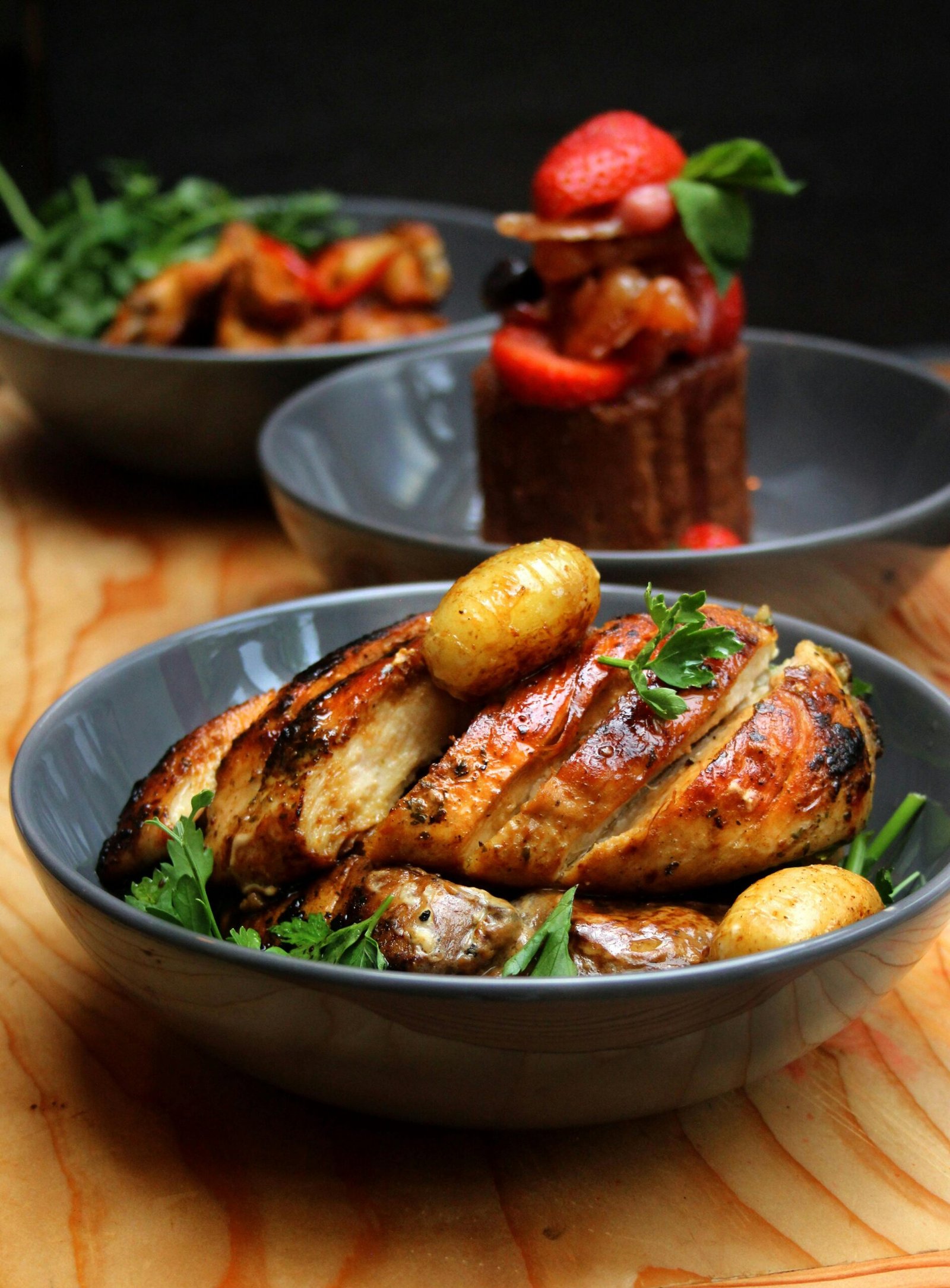
Discover the best chicken brining tips to create juicy, tender, and flavorful chicken every time. Learn how to choose the right chicken cuts, marinate, and master both wet and dry brining techniques.
What You Should Know About Chicken
If you’ve ever wondered why restaurant chicken turns out so tender while homemade versions sometimes fall short, the secret often lies in how it’s prepared before cooking. Understanding the type of chicken and how to season or brine it properly can make all the difference.

Chicken Categories
- Rock Cornish Game Hen – A young broiler-fryer about five weeks old. It’s plump, juicy, and has a higher ratio of white to dark meat. Great for roasting or broiling.
- Broiler-Fryer – About seven weeks old and the most versatile choice for everyday cooking. Perfect for frying, baking, or grilling thanks to its tender texture.
Knowing your chicken type helps you choose the best cooking and brining method to achieve that perfect balance of moisture and flavor.
Three Ways to Season Chicken (and Why Brining Is the Best)
There are three main ways to season and tenderize chicken — seasoning, marinating, and brining. While each adds flavor, brining consistently produces the juiciest and most flavorful results. Let’s break down why.
1. Seasoning – Fast but Surface-Level
A quick sprinkle of herbs and spices before cooking adds flavor to the surface but doesn’t penetrate deeply.
- Pros: Fast and easy
- Cons: Can leave the meat dry inside
Quick Tip: If you’re in a rush, season generously and cook your chicken with a sauce or glaze to add moisture back in.
2. Marinating – Adds Outer-Layer Flavor
Marinating soaks the outer layers of chicken in a flavorful blend of acid, oil, and seasonings. It’s ideal for busy cooks who want flavor and a bit more juiciness.
Basic Marinade Formula:
- 1 part acid (vinegar, citrus juice, wine, or cider)
- 1 part oil or water
- Herbs, spices, salt, and a pinch of sugar
Flavor Inspirations:
- Mediterranean: Lemon, garlic, oregano, rosemary, and thyme
- Southwestern: Cumin, chili powder, cilantro, and lime
- Classic Home Style: Sage, savory, onion powder, parsley, and garlic
💡 Tip: Always discard used marinade or boil it before basting to ensure food safety.
3. Brining – The Secret to Juicy Chicken
This is where the magic happens. Brining transforms even basic chicken into a tender, flavorful masterpiece. Whether you use a wet brine or dry brine, the process infuses moisture and seasoning throughout every bite.
This section delivers the most important chicken brining tips you’ll ever need.
Wet Brining Tips
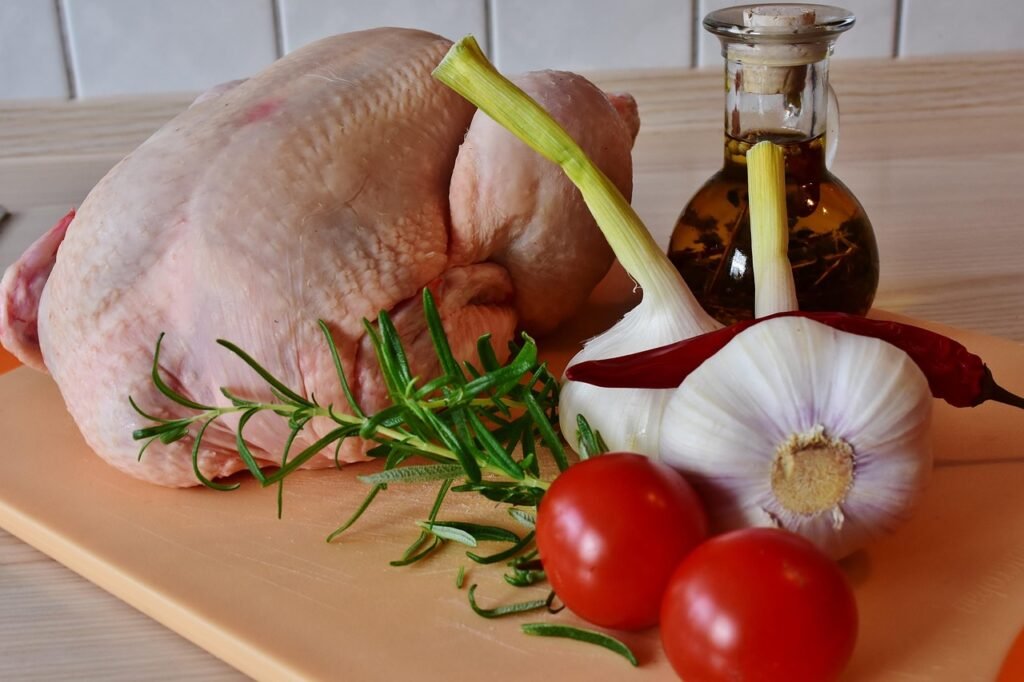
Wet brining involves soaking your chicken in a saltwater solution to lock in moisture.
Basic Wet Brine Recipe (per quart of water):
- ¼ cup coarse sea or kosher salt
- ⅓ cup sugar (optional, helps with caramelization and flavor balance)
Chicken Brining Tips for Success:
- Use room temperature water to dissolve salt and sugar fully.
- Submerge the chicken completely.
- Brine in the refrigerator for 2 to 8 hours, no longer — over-brining can make chicken mushy.
- Always rinse and pat dry before cooking.
This method ensures juicy meat, but if you’re after even more flavor and crispy skin, dry brining might be your new favorite technique.
Dry Brining Tips
Dry brining skips the water and instead relies on salt to naturally draw and reabsorb the chicken’s own juices. It’s cleaner, quicker, and often more flavorful than wet brining.
How to Dry Brine Chicken:

- Use about 1 teaspoon of coarse salt per pound of chicken.
- Pat chicken dry and sprinkle salt evenly over the surface.
- Massage the salt into thicker areas like breasts or thighs.
- Refrigerate uncovered for 2 to 24 hours — longer brines yield more flavor.
- Before cooking, pat dry (do not rinse).
Pro Chicken Brining Tip: Dry brining not only seasons the meat deeply but also creates irresistibly crispy skin — perfect for roasting or grilling.
Fixing Chicken Seasoning Mistakes
Even with perfect technique, flavor balance matters. Here’s how to fix common seasoning slip-ups:
- Too Spicy: Add a sweet glaze, honey butter, or BBQ sauce to mellow it out.
- Too Salty: A dash of vinegar or squeeze of citrus can help rebalance the flavor.
- Too Bland: Sprinkle herbs, salt, or a bit of sage before serving.
Bonus Chicken Brining Tips for Best Results
- Use coarse salt. Fine salts can make your chicken overly salty.
- Brine before marinating. This double-step approach ensures maximum moisture and deeper flavor.
- Always keep it cold. Brine chicken in the fridge, never at room temperature.
- Pat dry before cooking. Especially important for achieving crispy, golden skin.
Final Thoughts: Mastering the Art of Juicy Chicken
Once you understand how brining works, you’ll never cook chicken the same way again. From choosing the right bird to applying these chicken brining tips, each step helps you create perfectly juicy, flavorful meat every time.
Whether you’re a home cook or seasoned chef, a good brine is your secret for unforgettable chicken dishes.