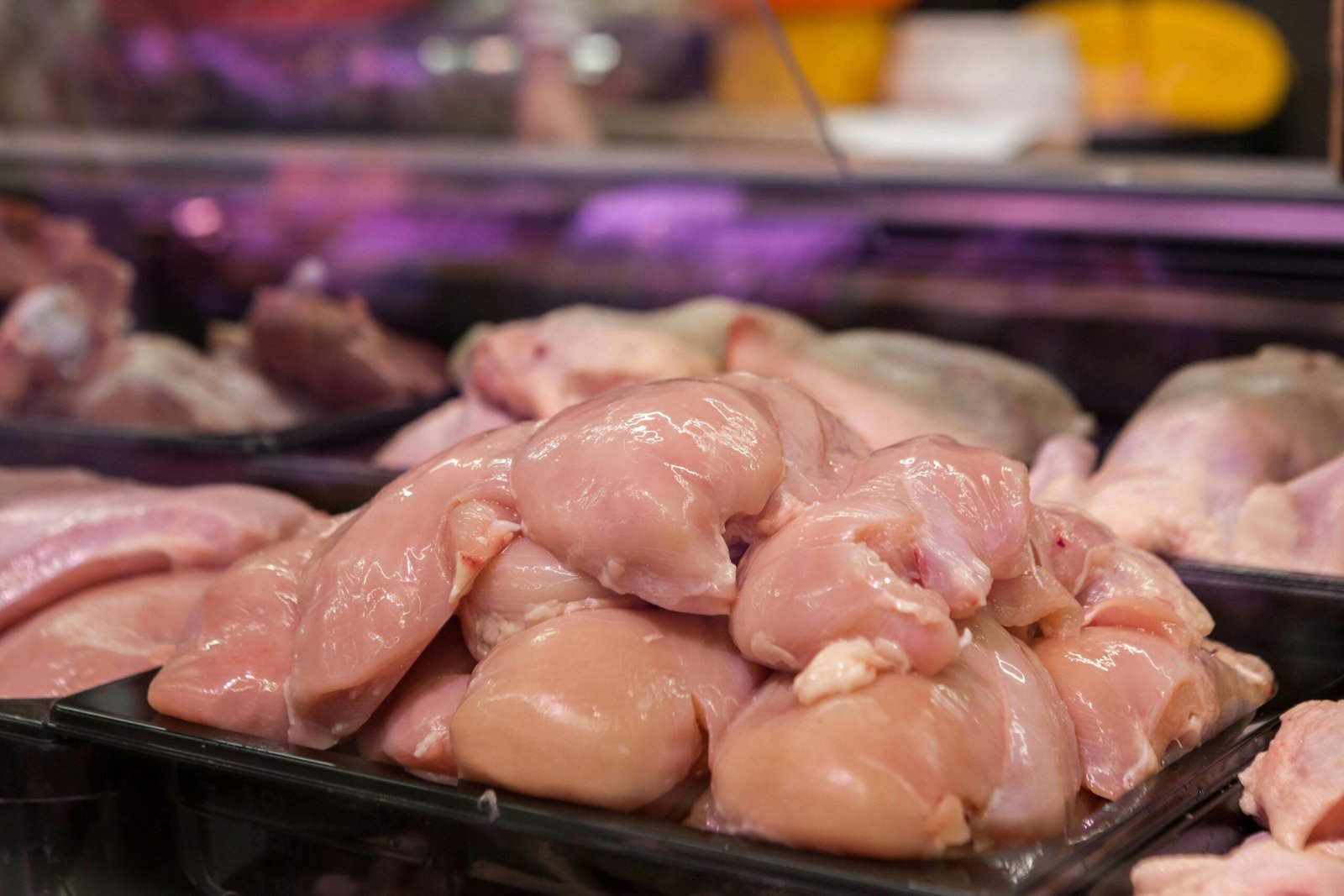
Learn the different types and cuts of chicken, how to choose fresh chicken at the store, and the best cooking methods for each variety.
Whether you’re planning a Sunday roast or prepping quick weeknight meals, knowing the different types of chicken and cuts can help you get juicy, flavorful results every time. This guide breaks down each variety, explains the best cooking methods, and shares tips on how to pick the freshest chicken at the store.
🍽️ Chicken Types (and How to Cook Them)
1. Rock Cornish Game Hen
- Young and plump (about 5 weeks old).
- Tender, juicy, and rich in white meat.
- Best for roasting whole or broiling.
2. Broiler-Fryer Chicken
- Around 7 weeks old and the most tender variety.
- Great for grilling, frying, baking, or roasting.
3. Roaster Chicken
- Between 8–12 weeks old, with richer flavor and slightly firmer meat.
- Perfect for oven roasting or rotisserie cooking.
4. Capon Chicken
- A male chicken aged 4–8 months.
- Very tender, high in white meat, and flavorful with extra fat.
- Best when roasted for special occasions.
5. Stewing or Baking Hen
- An older bird (10–18 months) with tough but flavorful meat.
- Excellent for slow cooking, soups, or stews.
6. Cock or Rooster
- Mature male chicken with dark, dense meat.
- Requires long, moist cooking such as braising or simmering.
🔪 Chicken Cuts (and What They’re Best For)
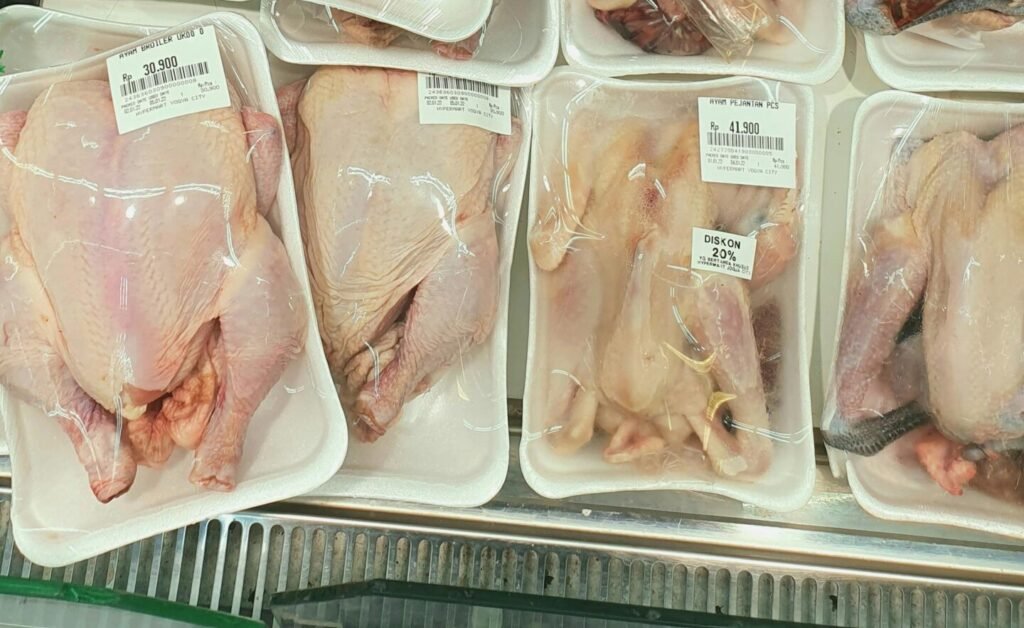
- Whole Chicken – Great for roasting or slow-cooking whole.
- Breasts – All white meat; lean and mild. Perfect for grilling, sautéing, or baking.
- Cutlets – Boneless pieces pounded evenly for quick frying or pan-searing.
- Fillets – Thin breast slices that cook fast and evenly.
- Tenderloins – The soft strip under the breast; the tenderest cut.
- Wings – Fun for snacks and parties; drumettes and winglets for eating, tips for stock.
- Legs – Dark meat with two parts: thighs (juicy and flavorful) and drumsticks (great for baking or grilling).
- Giblets – The neck, liver, heart, and gizzard; ideal for gravy, stuffing, or homemade stock.
🛒 How to Choose Fresh Chicken
When shopping for chicken, freshness is the key to flavor and safety:
- Pick chicken last in your grocery run so it stays cold.
- It should feel cold to the touch with smooth, cream-to-yellow skin.
- The pink liquid in the packaging is normal (chilling water, not blood).
- Always separate raw chicken from other foods to prevent contamination.
- Refrigerate immediately and use within 2 days (or 3 days after the sell-by date).
- Freeze it if not using soon — freshness depends on storage, not labels.
🌡️ Pro Tip: Cook Chicken Safely
Always cook chicken to an internal temperature of 165°F (74°C) to ensure it’s fully cooked and safe to eat.
🍴 Final Takeaway
From tender Cornish hens to flavorful stewing hens, each chicken type offers something special for your recipes. Understanding the differences helps you pick the perfect bird, handle it safely, and cook it to juicy perfection — every time.