
Think a food with a Weight Watchers point value means it’s “bad”? Think again! Learn why demonizing points is a recipe for burnout and how to use them for healthy, sustainable weight loss.
Welcome back to our series on common Weight Watchers pitfalls! In our first post, we tackled The Weight Watchers (WW) Zero-Point Trap and how skipping your daily points can backfire. Today, we’re diving into a mindset issue that can be just as damaging: Demonizing Point Values.
If you’ve ever looked at a food’s points and immediately thought, “That’s fattening, I can’t have it,” this post is for you. It’s time to reframe our thinking and see Weight Watchers food points for what they truly are: a budgeting tool, not a moral judgment.
The “Good Food vs. Bad Food” Trap
Many of us come into wellness journeys with a lifetime of “good food, bad food” conditioning. Weight Watchers points can accidentally reinforce this if we’re not careful. We start to see a food with a point value as a “sin” or a “cheat,” and ourselves as “good” or “bad” for eating it.

Let’s be clear: Food has no moral value. A carrot is not virtuous, and a cookie is not evil. They are just food. Assigning morality to food creates a cycle of guilt, shame, and restriction that is completely counterproductive to long-term weight loss and good health.
Why Do Nutritious Foods Have WW Points?
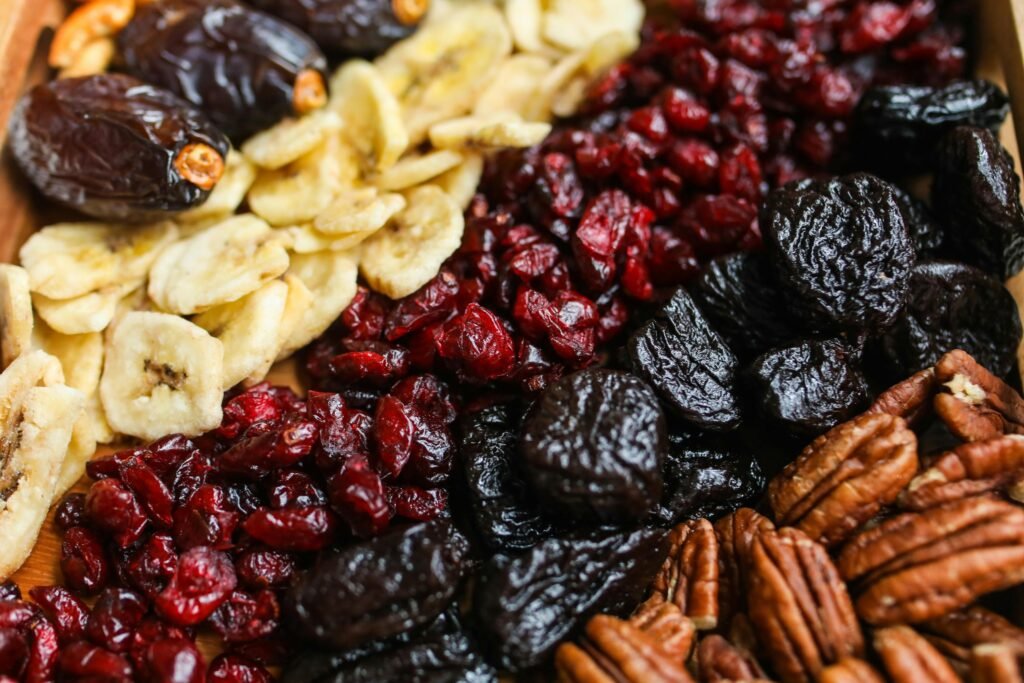
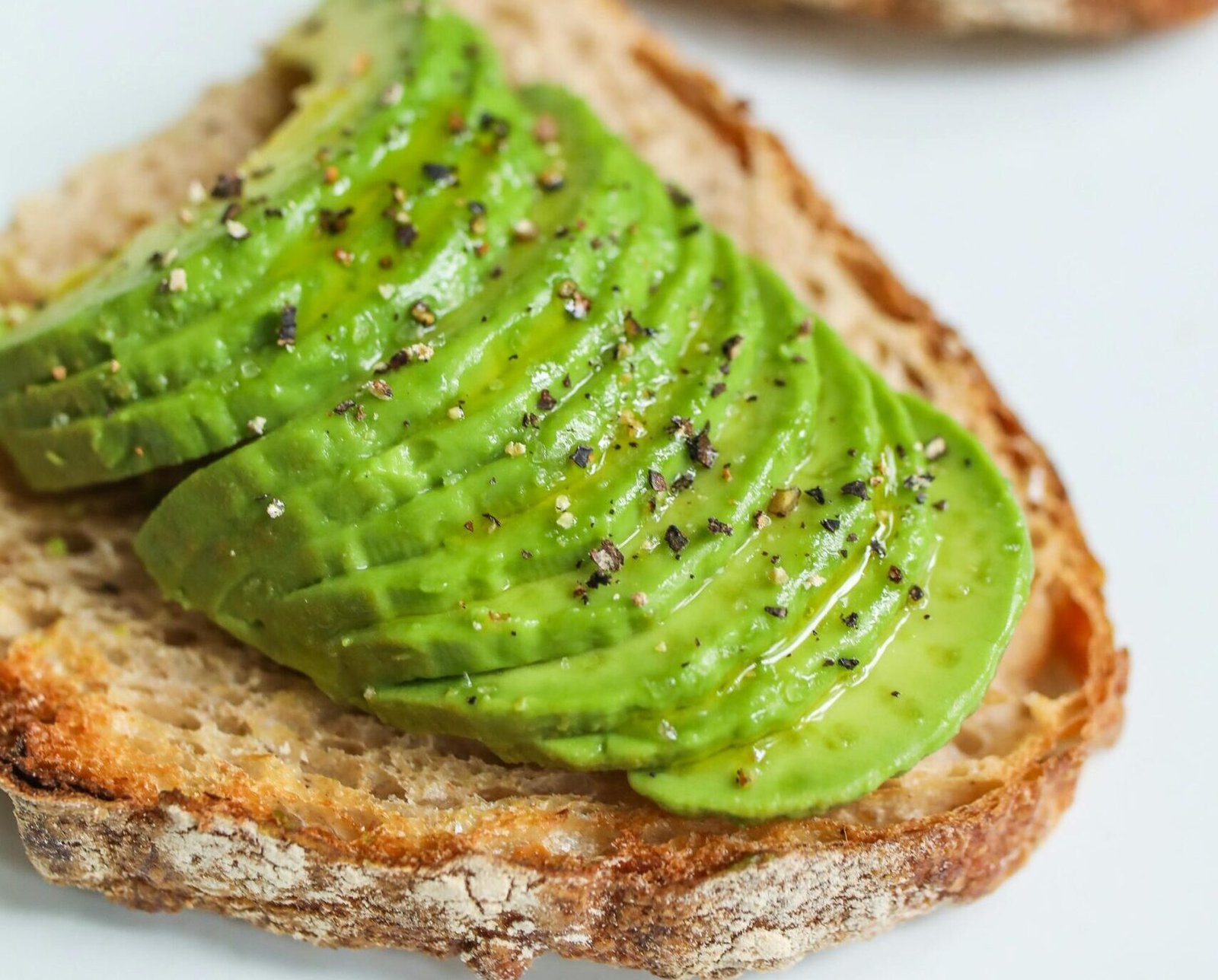
This is the heart of the confusion. If avocados, nuts, and olive oil are so healthy, why do they “cost” points? The answer lies in the science of how the Weight Watchers system is designed. Which, by the way, was created by dieticians, the only profession educated in nutrition. Ya, a “nutritionist” is NOT a thing. There is NO education for nutrition acknowledged by our government aside from that for a licensed dietician. Not even a doctor! But I digress.
The WW algorithm calculates points based primarily on the balance of calories to saturated fat and/or sugar. It does encourage you to eat more of the foods that are less calorically dense and high in protein or other essential nutrients such as vitamins and minerals (hence, zero-point foods). However, some of the most nutrient-dense foods on the planet are also energy-dense—meaning they have a higher calorie count, but those can come from healthy sources as well as the unhealthy ones.
Some very healthy foods that we should include in our diet are calorie-heavy because of their fat content, even if that fat is the healthy kind. You see, each gram of fat carries more than double the calories found in protein and carbs, and more than four times the calories found in fiber. So you see, it’s about the balance of nutrition.
“But what does it all mean, Basil?”
Let’s break down a few “high-point” heroes:
- Avocados: Yes, they have points due to their extremely high fat content. But this is monounsaturated fat—the heart-healthy kind that reduces bad cholesterol and is linked to a lower risk of heart disease. They’re also packed with fiber, potassium, and vitamins.
- Nuts and Seeds: A small handful has points, but it’s a powerhouse of healthy fats, protein, fiber, and essential minerals like magnesium and selenium. They are fantastic for satiety and heart health.
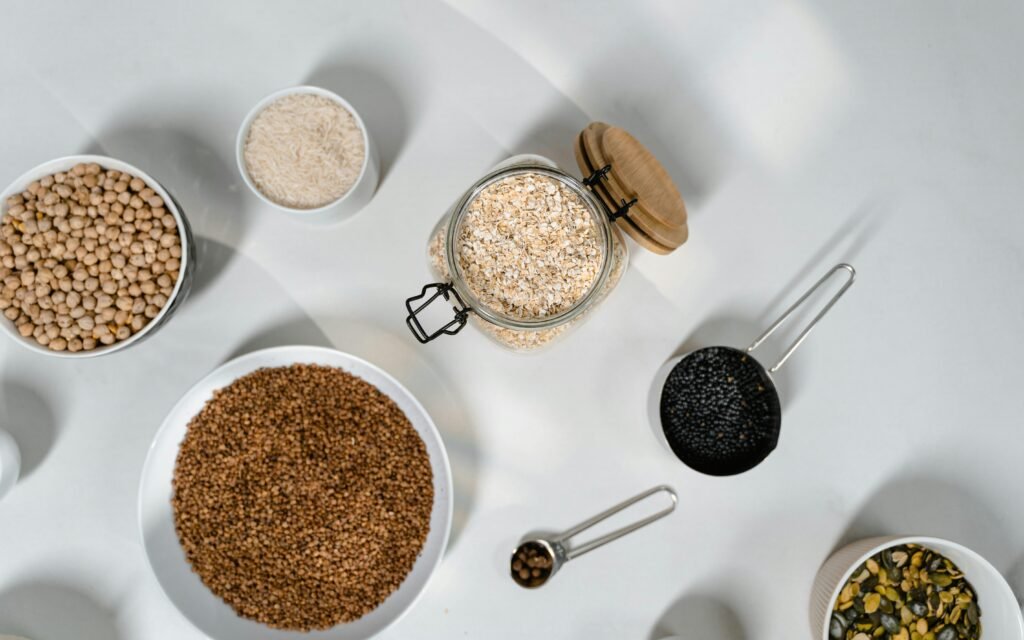
- Whole Grains (like Oats & Brown Rice): Compared to their refined counterparts, these have points because they contain the bran and germ, which include healthy fats and more protein. This is also what gives them their fiber content and makes them superior for blood sugar control and keeping you full longer.
- Olive Oil: The cornerstone of the Mediterranean diet, a point-heavy tablespoon is rich in antioxidants and anti-inflammatory compounds, both great for healing and preventing illness.
The takeaway? The points for these foods aren’t a warning label; they’re a portion guide. Think of them as saying, “I am a nutrient-packed food. A little goes a long way, so budget for it and enjoy its benefits.”
The Consequences of Demonizing Points
When you treat point foods as bad, or worse, forbidden, you set yourself up for two major problems:
- Nutritional Gaps: As we discussed in the Zero-Point Trap, avoiding healthy fats and complex carbs can leave you deficient in key nutrients, leading to low energy, hair loss, poor skin health, and a sluggish metabolism. Meaning, slower weight loss, if any.
- The Binge-Restrict Cycle: This is the biggest danger. When you label a food as “bad” and forbid it, you create intense psychological cravings for it. This often leads to willpower eventually breaking, resulting in a binge on that very food, followed by guilt and a vow to “be good” again tomorrow—starting the cycle all over.
How to Reframe Your Thinking: Points as a Nutrition Budget
It’s time to shift from a mindset of restriction to one of strategic investment.
- Stop Saying “I Can’t Have That”: Start saying, “Do I have room in my budget for that today?” This simple linguistic change removes the guilt and empowers you to make a choice.
- Invest Your Points in Nutrient Density: When you spend your points, ask yourself: “What is this food doing for my body?” Spending 5 points on a handful of almonds is a high-return investment in satiety and health. Spending 5 points on a sugary snack is a lower-return investment in momentary pleasure. Both can fit into a healthy plan, but being mindful of the difference is key.
- Plan for Your Favorites: Do you love cheese? Instead of fearing it, plan for it! Budget a few points each day for a delicious sprinkle of feta on your salad or a slice of sharp cheddar with an apple. This prevents feelings of deprivation and makes your journey enjoyable, hence, sustainable.
The Bottom Line:
A successful WW journey isn’t about avoiding points; it’s about spending them wisely. Your weekly points are especially designed for this flexibility—to enjoy a meal out, a family recipe, or a higher-point healthy fat or dessert without derailing your progress.
Stop demonizing points and start seeing them as your guide to a balanced, nourishing, and utterly satisfying way of eating and losing weight….the healthy way!
Feeling overwhelmed by how to balance it all? We’ve done the work for you! Our 90-Day Weight Watchers Plan is designed to automatically balance zero-point foods with strategic, nutrient-dense point investments, taking the guesswork out and putting the results in.
Don’t Miss the Final Post: We’ll tackle the most common diet killer of all: Mistake #3: Deprivation Leads to Derailment. We’ll show you why allowing for flexibility is your greatest secret weapon.

Great article! I appreciate how you addressed common weight loss mistakes and explained how to avoid them. Many people struggle because of misinformation, and posts like this help clear things up. The tone is encouraging and informative, which makes it enjoyable to read.
Thank you Theron Sanday! We’re thrilled you found it helpful. Clearing up that confusion and providing a more positive mindset around food is so important to us. It’s like you that make this community so great. We’re all in this together, learning as we go! 😊